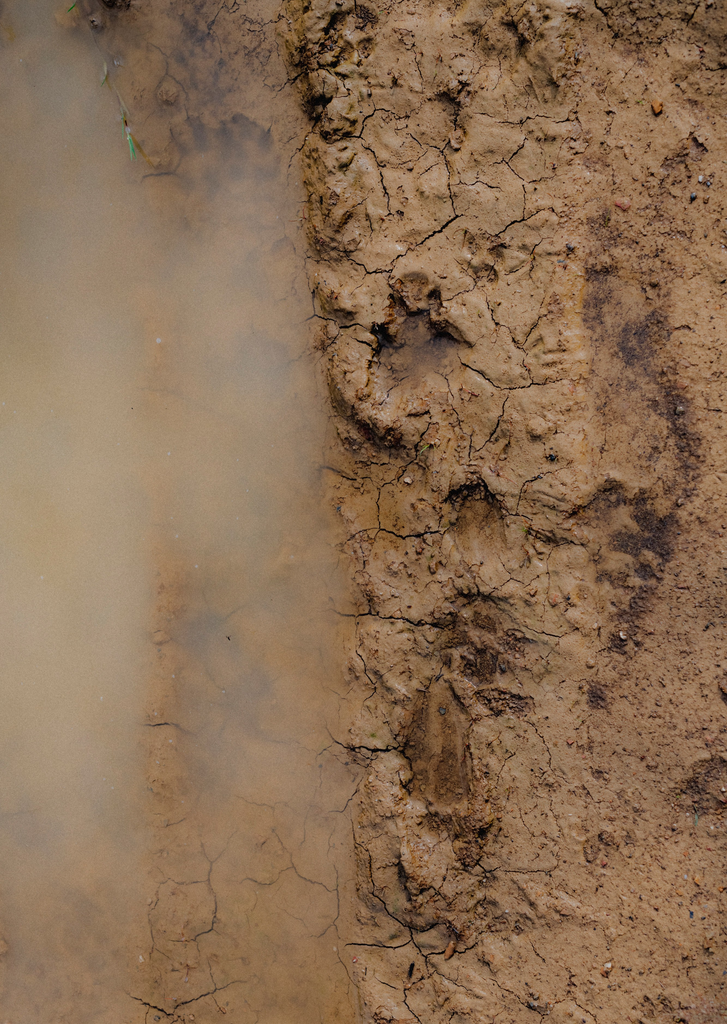
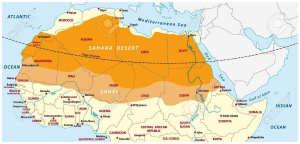
For tens of millions of people across the American Southwest, the Colorado River is not an abstract environmental cause. It is the literal circulatory system of the region. Spanning over 1,400 miles from the snowy peaks of the Rocky Mountains down to the Gulf of California, this basin sustains 40 million people across seven states—Colorado, New Mexico, Arizona, Utah, Nevada, California, and Wyoming—along with dozens of sovereign Tribal Nations and northern Mexico.
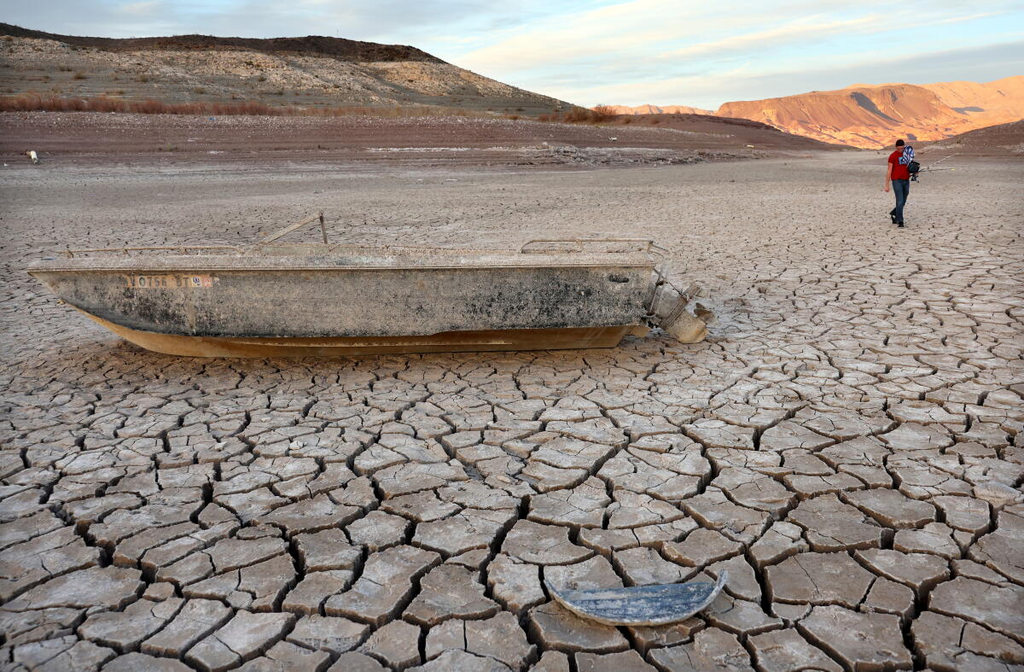
Yet today, this lifeline is dying. Decades of chronic overallocation, rising temperatures, and relentless drought have pushed its critical reservoirs, Lake Mead and Lake Powell, to historic low levels. White “bathtub rings” on canyon walls visually track the millions of acre-feet of water that have vanished.
Governments routinely ask urban residents to tear up lawns, install low-flow toilets, and shorten showers. But municipal conservation only scratches the surface of the problem. The brutal truth is that domestic indoor water use accounts for a minor slice of the river’s strain. Over 80 percent of all human water diversions in the basin go directly to agriculture—and a shocking portion of that is spent flood-irrigating just two water-intensive crops in desert soil: alfalfa (along with related forage hay) and rice.
To avert a catastrophic water collapse in the West, lawmakers in Colorado, New Mexico, Arizona, Utah, Nevada, and California must enact a decisive policy: a total, phased ban on growing alfalfa and flood-irrigated rice.
The Arithmetic of Waste: How Much Water Will We Save?
The numbers behind Southwest crop irrigation reveal an unsustainable economic and environmental trade-off.
Alfalfa alone consumes more than 5 million acre-feet of Colorado River water every year. That single forage crop accounts for roughly 25 to 46 percent of total human water use across the entire river basin. To grasp what an acre-foot means: a single acre-foot (about 326,000 gallons) satisfies the annual domestic water needs of two average American households. This means more water is dumped onto desert hayfields than is consumed by every home, school, hospital, and business in Los Angeles, Phoenix, San Diego, Las Vegas, and Denver combined.
COLORADO RIVER WATER USE
┌─────────────────────────────────────────────────────────────┐
│ Alfalfa & Forage Crops (~46%) │
├───────────────────────────────────┬─────────────────────────┤
│ Other Agricultural Crops (~34%) │ Cities & Industry (~20%)│
└───────────────────────────────────┴─────────────────────────┘
Furthermore, significant portions of this alfalfa are exported overseas to feed cattle abroad, effectively exporting the Southwest’s finite drinking supply for low profit margins. Meanwhile, rice fields in regional valleys rely on continuous standing-water flood irrigation under scorching desert heat, evaporating massive quantities of precious water directly into the air.
Phasing out alfalfa and rice production across these six states will save 4 million to 6 million acre-feet of water annually.
Hydrologists estimate the Colorado River currently runs a structural deficit of 2 million to 4 million acre-feet per year—meaning we withdraw far more water than nature restores. Eliminating these two crops does not just trim the edges of the crisis; it wipes out the entire structural deficit at a single stroke, immediately stabilizing Lake Mead and Lake Powell and securing long-term regional reserves.
Reviving Ecosystems and Saving Wildlife
When a river is drained dry to grow cattle feed in the desert, wild ecosystems pay the ultimate price. The lower reaches of the Colorado River have been degraded into trickles choked with toxic, hyper-saline runoff. Ending the drain of alfalfa and rice farming will return millions of acre-feet of clean, cold water back to natural river channels.
- Rescuing Native Fish: The Colorado River’s native fish species—including the endangered Humpback Chub, Razorback Sucker, Bonytail Chub, and Colorado Pikeminnow—evolved over millions of years in high-volume, dynamic river conditions. Returning natural flow volume cools water temperatures, dilutes concentrated agricultural toxins, and restores the deep pools necessary for successful spawning.
- Rebuilding the Riparian Corridor: The river basin serves as an indispensable highway for millions of birds on the Pacific Flyway. Sustained water flow restores native cottonwood and willow forests, replacing invasive, flammable tamarisk brush. This lush vegetation gives vital nesting grounds and shelter to imperiled species like the Yellow-billed Cuckoo, the Southwestern Willow Flycatcher, and the Yuma Ridgway’s Rail.
- Supporting Land Mammals: From Desert Bighorn Sheep to Bobcats and Mountain Lions, native mammals depend on healthy river corridors for drinking water, migration routes, and relief during extreme summer temperatures.
Safeguarding Human Civilization in the West
This policy is not an anti-farmer initiative; it is a vital step to keep the American Southwest habitable.
If water levels at Lake Mead or Lake Powell drop past critical thresholds, they will reach dead pool—the point where water can no longer pass downstream through dam outlets or turn hydroelectric turbines. A dead pool event would cut off drinking water and clean power for tens of millions of people, triggering an unprecedented urban, civil, and economic catastrophe.
RESERVOIR THREAT LEVELS
┌─────────────────────────────────────────────────────────────┐
│ Full Reservoir Capacity                                     │
├─────────────────────────────────────────────────────────────┤
│ Minimum Power Pool (Hydroelectric Turbines Stop)           │
├─────────────────────────────────────────────────────────────┤
│ DEAD POOL (Water cannot pass downstream to cities)          │
└─────────────────────────────────────────────────────────────┘
Banning high-volume forage crops guarantees drinking water security for 40 million people without forcing severe urban rationing. Far from abandoning farming communities, state and federal governments can direct conservation funds to compensate agricultural landowners, financing a transition toward high-value, drought-tolerant produce, hydroponics, or dates and olives. Farmers keep their livelihoods, and cities keep their drinking water.
Reclaiming the Colorado River Delta
The most inspiring transformation will take place where the river meets the sea. A century ago, the Colorado River Delta covered nearly two million acres of emerald wetlands, rich estuaries, and brackish lagoons in the upper Gulf of California. It was one of the grandest wildlife nurseries on the planet.
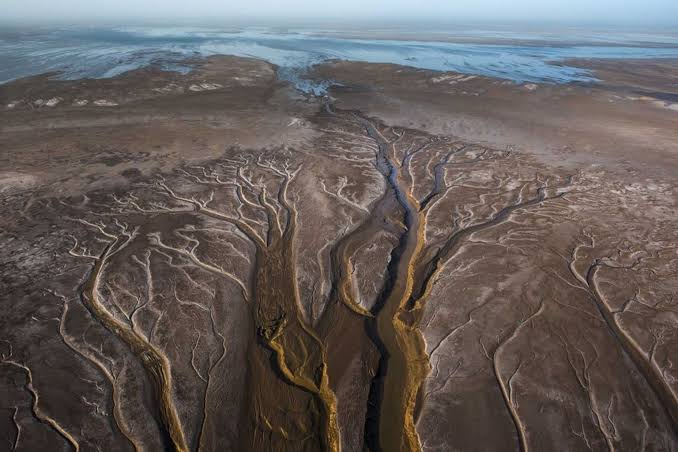
Today, because upstream diversions siphon off virtually every drop, the delta is a sun-baked, salt-crusted mudflat. The river dies in the sand miles before reaching its historic mouth.
Reclaiming 4 to 6 million acre-feet of water upstream makes it possible to allocate a permanent, guaranteed environmental baseline flow past the U.S.–Mexico border. Reconnecting the river to the sea will:
- Re-hydrate dried estuarine channels, flushing out excess salt and reviving native plant life.
- Restore essential estuarine nursery habitats for threatened marine species in the Gulf of California, including the totoaba and the critically endangered vaquita porpoise.
- Honor bi-national commitments between the U.S. and Mexico, turning a degraded desert wasteland back into a thriving oasis.
A Choice Between Alfalfa and Survival
The crisis of the Colorado River is not an inevitable act of nature; it is the direct result of outdated legal priorities that permit water-thirsty crops to be flood-irrigated in arid environments. We can no longer afford to burn through billions of gallons of river water to grow hay in the desert.
By banning the cultivation of alfalfa and rice across Colorado, New Mexico, Arizona, Utah, Nevada, and California, we can save millions of acre-feet of water every year, protect drinking supplies for 40 million people, save countless animal species from extinction, and restore the historic Colorado River Delta to life. The solution is right in front of us—we only need the political courage to take it.