🌍 Introduction The fight against climate change and ozone depletion demands bold, uncompromising action. Among the most pressing issues is the continued use of hydrochlorofluorocarbons (HCFCs) and fluorinated gases (F-gases). These substances, once hailed as technological marvels for refrigeration, air conditioning, and industrial applications, have revealed themselves to be environmental time bombs. To protect our planet’s atmosphere, ecosystems, and future generations, we must advocate for a total ban on HCFCs and all F-gases.
🔥 The Ozone Layer Crisis HCFCs were introduced as transitional replacements for chlorofluorocarbons (CFCs), which were banned under the Montreal Protocol due to their devastating impact on the ozone layer. While HCFCs are less destructive than CFCs, they are far from harmless. They still contain chlorine, which, when released into the atmosphere, breaks down ozone molecules. The ozone layer is Earth’s natural shield against harmful ultraviolet radiation. Its thinning leads to increased skin cancers, cataracts, and damage to crops and marine ecosystems. Continuing to use HCFCs is akin to knowingly poking holes in our planet’s protective
umbrella.
🌡️ The Climate Threat of F-Gases Beyond ozone depletion, F-gases—including hydrofluorocarbons (HFCs), perfluorocarbons (PFCs), and sulfur hexafluoride (SF₆)—pose an even greater climate challenge. These gases are potent greenhouse agents, with global warming potentials (GWPs) thousands of times higher than carbon dioxide. For example:
- HFC-134a, widely used in car air conditioners, has a GWP of 1,430.
- SF₆, used in electrical insulation, has a staggering GWP of 23,500.
Even small leaks of these gases can have catastrophic climate consequences. Their persistence in the atmosphere means they continue to trap heat for decades or centuries, undermining global efforts to limit warming to 1.5°C.
⚖️ The False Promise of “Transition Chemicals” Industry often argues that HCFCs and HFCs are necessary “bridge solutions” until safer alternatives are scaled up. This logic is flawed. Transition chemicals perpetuate dependence on harmful substances, delay innovation, and lock in infrastructure that will soon become obsolete. History has shown that incremental fixes are insufficient when dealing with planetary crises. Just as the world moved decisively away from CFCs, we must now leapfrog HCFCs and F-gases entirely.
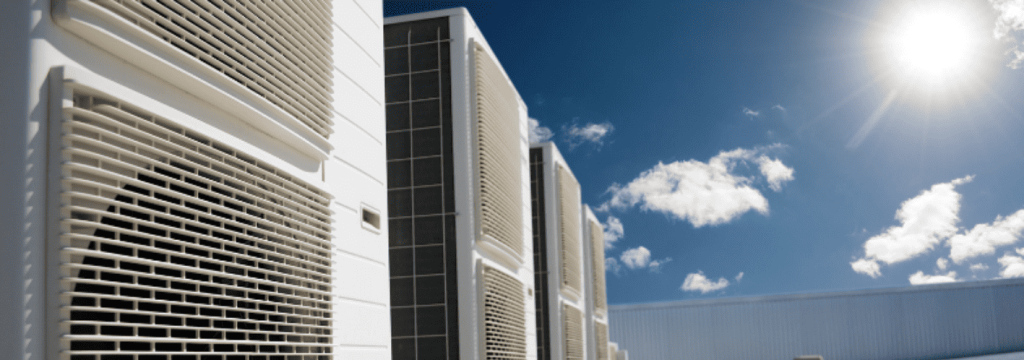
💡 Available Alternatives The claim that banning F-gases would cripple modern life is simply untrue. Safer, climate-friendly alternatives already exist:
- Natural refrigerants such as ammonia, carbon dioxide, and hydrocarbons (like propane and isobutane) are effective, widely available, and have negligible climate impact.
- Innovative cooling technologies—magnetic refrigeration, solid-state cooling, and advanced heat pumps—are emerging as scalable solutions.
- Improved energy efficiency in cooling systems reduces demand for refrigerants altogether.
These alternatives not only protect the environment but also often reduce energy costs, creating economic incentives for adoption.
🌱 Moral Responsibility and Global Justice The burden of F-gases falls disproportionately on vulnerable populations. Rising temperatures, UV radiation, and climate instability exacerbate food insecurity, health risks, and displacement in regions least responsible for emissions. Wealthier nations, which pioneered and profited from HCFC and HFC technologies, have a moral obligation to lead the transition. A total ban would send a powerful signal of global solidarity and environmental justice.
📜 Policy Imperatives The Kigali Amendment to the Montreal Protocol already mandates a phasedown of HFCs, but this is not enough. Phasedowns allow continued emissions for decades, undermining urgent climate goals. What is needed is a total ban, enforced through:
- Strict international regulation with clear timelines.
- Financial support for developing nations to adopt alternatives.
- Investment in research and infrastructure for sustainable cooling.
- Accountability mechanisms to prevent illegal trade and smuggling of banned substances.
🚨 Conclusion: A Call to Action The science is clear, the alternatives are available, and the moral case is undeniable. HCFCs and F-gases are relics of a past that ignored environmental consequences. Continuing their use is reckless and unjustifiable. A total ban is not radical—it is rational, necessary, and urgent.
By eliminating these dangerous chemicals, we safeguard the ozone layer, mitigate climate change, and honor our responsibility to future generations. The time for half-measures has passed. The world must unite to declare: No more HCFCs. No more F-gases. A cleaner, safer future begins now.