The Horrifying Reality
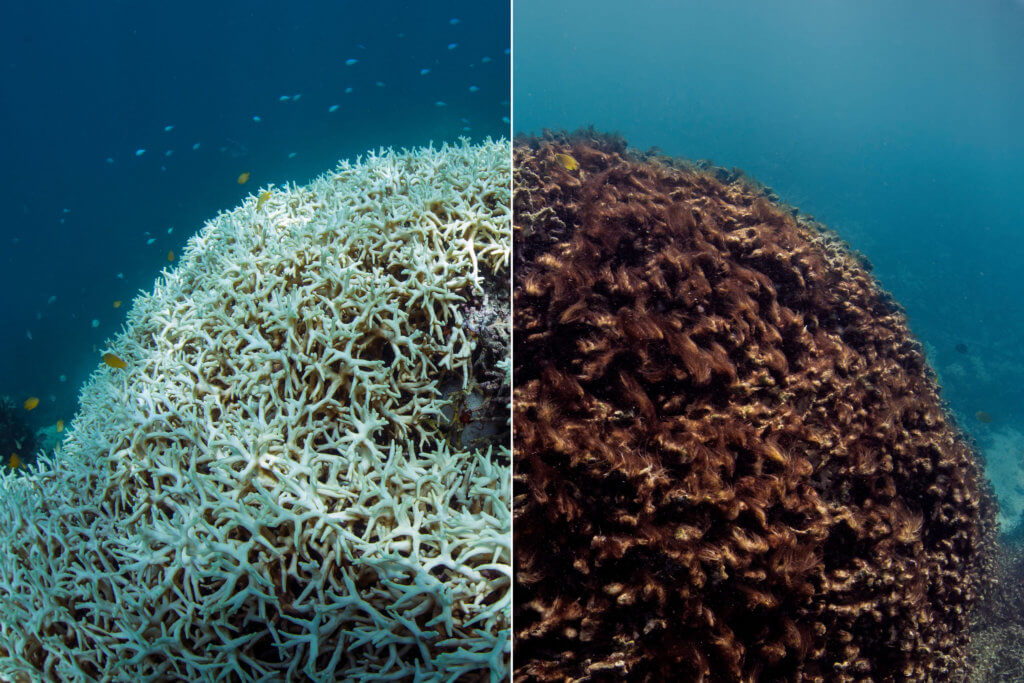
Coral reefs, often called the “rainforests of the sea,” are among the most biodiverse ecosystems on Earth. Yet today, vast stretches of these vibrant underwater cities are turning ghostly white. Coral bleaching is not just a visual tragedy—it signals the slow death of ecosystems that support a quarter of all marine species and millions of human livelihoods. Between 2023 and 2025, heat stress affected 84% of the world’s reefs, showing how widespread and urgent this crisis has become.
Why Is This Happening?
Coral bleaching occurs when corals expel the symbiotic algae (zooxanthellae) that give them color and provide essential nutrients. Without these algae, corals starve and become vulnerable to disease. The main drivers include:
Ocean acidification: Increased CO₂ reduces the ability of corals to build their skeletons.
Pollution: Runoff from agriculture and coastal development stresses corals.
Overfishing: Disrupts reef balance, making corals less resilient.
Storms and physical damage: Intensified by climate change.
Can Coral Bleaching Be Prevented?
While bleaching cannot be entirely eliminated, it can be mitigated:
- Reducing greenhouse gas emissions: The single most important step to stabilize ocean temperatures.
- Marine protected areas: Safeguarding reefs from overfishing and destructive practices.
- Restoration projects: Scientists are cultivating heat-resistant coral strains and transplanting them into damaged reefs.
- Local action: Reducing pollution, managing coastal development, and controlling tourism impacts.
Preserving and Expanding Coral Reefs
The future of coral reefs depends on both global and local action:
- Artificial reefs: Structures that mimic natural reefs, providing habitats and encouraging coral growth.
- Assisted evolution: Breeding corals that can withstand higher temperatures.
- Community involvement: Empowering coastal communities to protect reefs ensures long-term sustainability.
- Global cooperation: Coral reefs are shared ecosystems; international collaboration is essential.
The Path Forward
Coral bleaching is a stark warning of how climate change is reshaping our planet. Yet, reefs are resilient when given a chance. By cutting emissions, protecting habitats, and investing in innovative restoration, humanity can preserve these underwater wonders—and perhaps even expand them. The question is not whether we can save coral reefs, but whether we will act quickly enough to do so.