Powering the Green Energy Revolution
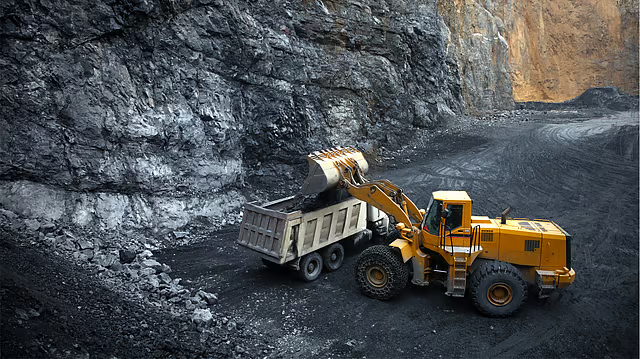
Rare earth minerals—17 elements including neodymium, dysprosium, and terbium—are indispensable to renewable energy technologies. They enable the magnets in wind turbines, the batteries in electric vehicles, and the efficiency of solar panels. Without them, the transition away from fossil fuels would stall. Their unique properties, such as strong magnetism and conductivity, make them irreplaceable in modern clean energy systems. In this sense, rare earths are the quiet enablers of a future less dependent on coal, oil, and gas.
The Environmental Toll of Mining
The irony is that while rare earths help us fight climate change, their extraction often harms the environment. Mining operations typically involve clearing forests, leading to deforestation and habitat destruction. Toxic chemicals used in processing seep into rivers, contaminating water supplies and killing aquatic life. Communities near mines face health risks from exposure to pollutants, while wildlife suffers from displacement and declining biodiversity. In China, which dominates global rare earth production, regions like Inner Mongolia have seen rivers poisoned and farmland rendered unusable due to mining waste.
Case Studies: Lessons from Around the World
Europe: In contrast, initiatives are underway to recycle rare earths from discarded electronics, reducing reliance on destructive mining and creating a circular supply chain.
China (Baotou, Inner Mongolia): The world’s largest rare earth mining hub has been plagued by a “toxic lake” of chemical waste, illustrating the severe ecological costs of poorly regulated extraction.
Myanmar: Illegal rare earth mining has expanded rapidly, leading to deforestation and cross-border pollution that affects neighboring ecosystems.
These examples highlight both the dangers of unchecked extraction and the potential of innovative solutions.
Striving for Balance
The challenge is not whether to use rare earths—they are essential—but how to manage their costs responsibly. Solutions include:
- Cleaner mining practices: Stricter environmental regulations and improved waste management can reduce ecological damage.
- Recycling and recovery: Extracting rare earths from old electronics and renewable energy infrastructure can lessen demand for new mining.
- Research into alternatives: Developing substitute materials or technologies could reduce reliance on rare earths altogether.
A Nuanced Perspective
Rare earth minerals embody both promise and peril. They are vital to the renewable energy transition, yet their extraction scars landscapes and ecosystems. The path forward lies in acknowledging this contradiction and striving for balance—embracing rare earths as tools for decarbonization while investing in practices that minimize harm. In doing so, humanity can ensure that the fight against climate change does not come at the expense of the planet’s forests, rivers, and wildlife.
Would you like me to expand this further into a policy-focused article—examining how governments and international agreements could regulate rare earth mining more sustainably?