Zoos have long been a subject of fascination and controversy. They are places where people can encounter animals from across the globe, but they also raise ethical questions about captivity, conservation, and animal welfare. Let’s explore both sides of the debate to understand whether zoos are ultimately good or bad.
📜 A Brief History of Zoos
Today, zoos range from small petting farms to large institutions that replicate natural habitats and focus on conservation, education, and research.
The earliest records of animal collections date back to ancient Egypt and Mesopotamia around 2500 BCE, where aristocrats kept giraffes, bears, and dolphins in private menageries.
Modern zoos evolved from these collections, with Vienna Zoo (founded in 1752) being the oldest still in operation.
✅ The Benefits of Zoos
- Conservation Efforts
- Many zoos run breeding programs for endangered species, helping prevent extinction.
- Examples include the recovery of species like the California condor and the Przewalski’s horse.
2. Education and Awareness
- Zoos provide opportunities for people to learn about animals they might never encounter otherwise.
- Educational programs inspire interest in wildlife and environmental protection.
3. Research Opportunities
- Scientists study animal behavior, genetics, and health in zoos, contributing to broader ecological knowledge.
- Veterinary research in zoos often benefits both captive and wild populations.
4. Recreation and Connection
- Zoos offer families and individuals a chance to connect with nature in urban settings.
- This connection can foster empathy and support for conservation initiatives.
❌ The Drawbacks of Zoos
- Ethical Concerns About Captivity
- Critics argue that keeping animals in enclosures, no matter how well-designed, restricts their natural behaviors.
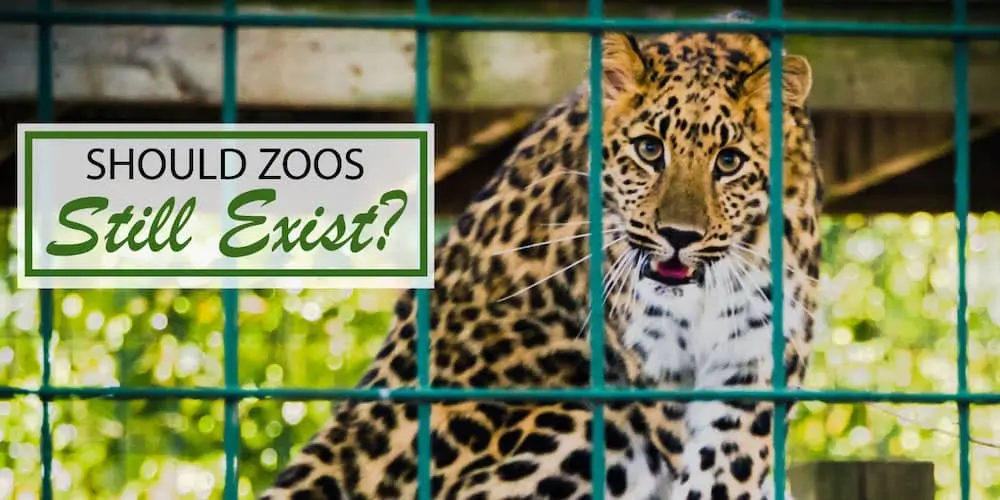
- Large, wide-ranging animals like elephants or big cats often suffer from limited space.
2. Stress and Welfare Issues
- Some animals show signs of stress or stereotypical behaviors (like pacing or repetitive movements) due to confinement.
- Even with enrichment, captivity can’t fully replicate the complexity of wild ecosystems.
3. Commercialization
- Not all zoos prioritize conservation; some focus more on entertainment and profit.
- Poorly managed zoos may neglect animal welfare in favor of attracting visitors.
4. Questionable Conservation Impact
- While zoos breed endangered species, critics note that reintroduction into the wild is rare.
- Conservation in natural habitats may be more effective than keeping animals in captivity.
⚖️ A Neutral Conclusion
Zoos are neither wholly good nor wholly bad—they exist in a complex middle ground. On one hand, they play a vital role in conservation, education, and research. On the other, they raise serious ethical concerns about animal welfare and the limitations of captivity.
The future of zoos may depend on how they evolve: shifting from entertainment-focused institutions to conservation-driven sanctuaries that prioritize animal well-being and ecological impact.