For years, the environmental movement has rallied behind the slogan “Save the Bees.” It’s catchy, it’s urgent, and it’s everywhere. But here’s the problem: when most people say “bees,” they mean European honeybees. And honeybees are not endangered. They’re thriving — because humans treat them like livestock. Meanwhile, the bees that actually hold ecosystems together — the native bees — are disappearing. If we truly care about biodiversity, food security, and ecological resilience, we must stop romanticizing honeybees and start fighting for native pollinators.
Honeybees Are Livestock, Not Wildlife
European honeybees (Apis mellifera) were introduced outside their native range to serve human needs: honey production and crop pollination. Their populations are carefully managed by beekeepers, much like cattle or chickens. They are not at risk globally. In fact, they’re multiplying wherever humans put hives.
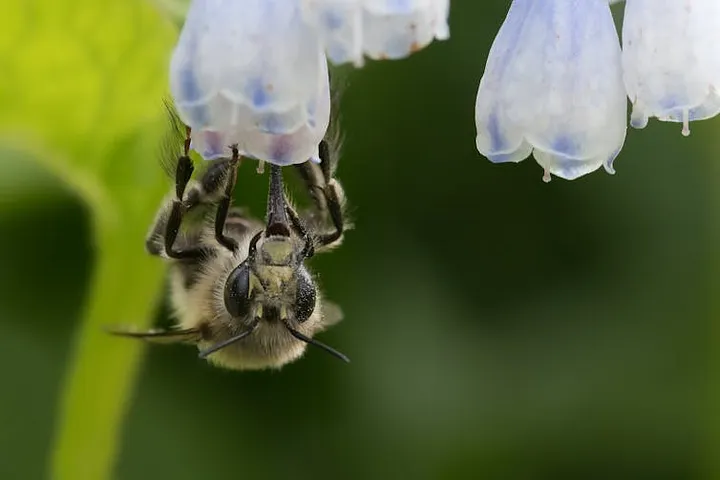
Native bees, on the other hand, are wild species. They evolved alongside local plants, forming intricate ecological relationships. Bumblebees, mason bees, leafcutter bees, and countless solitary species are the ones quietly keeping ecosystems alive. And they’re the ones in trouble.
How Honeybees Harm Native Bees?
The more we glorify honeybees, the more damage we do to native pollinators:
• Resource competition: Honeybees are generalists. They consume vast amounts of nectar and pollen, leaving native bees with little to survive on.
• Disease spillover: Managed colonies spread parasites and pathogens to wild bees, weakening already vulnerable populations.
• Ecological disruption: Honeybees are not efficient pollinators for many native plants. By dominating landscapes, they reduce biodiversity and destabilize ecosystems.
In short, every new hive in a fragile ecosystem is another blow to native pollinators.
How Honeybees Harm Native Bees?
The more we glorify honeybees, the more damage we do to native pollinators:
• Resource competition: Honeybees are generalists. They consume vast amounts of nectar and pollen, leaving native bees with little to survive on.
• Disease spillover: Managed colonies spread parasites and pathogens to wild bees, weakening already vulnerable populations.
• Ecological disruption: Honeybees are not efficient pollinators for many native plants. By dominating landscapes, they reduce biodiversity and destabilize ecosystems.
In short, every new hive in a fragile ecosystem is another blow to native pollinators.
Native Bees Are Irreplaceable
Native bees are specialists. They evolved to pollinate specific plants, ensuring the reproduction of wildflowers, shrubs, and crops that honeybees often ignore. Tomatoes, blueberries, and squash, for example, rely heavily on native pollinators. Without them, our food systems and ecosystems would collapse.
They are also more resilient to local climates and conditions. Unlike honeybees, which need human intervention to thrive, native bees are perfectly adapted to their environments — until we disrupt them.
What Saving Bees Should Mean
If we want to save pollinators, here’s what we must do:
• Shift the narrative: Stop centering honeybees in conservation campaigns.
• Protect habitats: Plant native wildflowers, reduce pesticide use, and preserve nesting sites.
• Limit honeybee hives: Restrict colonies in sensitive areas where they harm native species.
• Fund native bee research: Redirect conservation dollars toward studying and protecting wild pollinators.
The Hard Truth
In some regions, European honeybees are invasive. Protecting native biodiversity may mean reducing or even removing honeybee colonies. That sounds radical, but remember: honeybees are not wildlife. They are managed livestock introduced into ecosystems where they don’t belong. If we’re serious about saving pollinators, we must be willing to make hard choices.
Final Thoughts
“Save the Bees” was a well-intentioned slogan, but it oversimplifies a complex ecological issue. Honeybees are fine. Native bees are not. If we truly care about the future of our ecosystems, our food, and our planet, we must stop idolizing honeybees and start fighting for native pollinators